

With many thanks to all the young people who participated during the focus group discussions, as well as
Julie & Gillian at the Halifax Refugee Clinic, and Kathryn, Hayat, Saeed, Hakhmet & Roda at the YMCA Youth Outreach
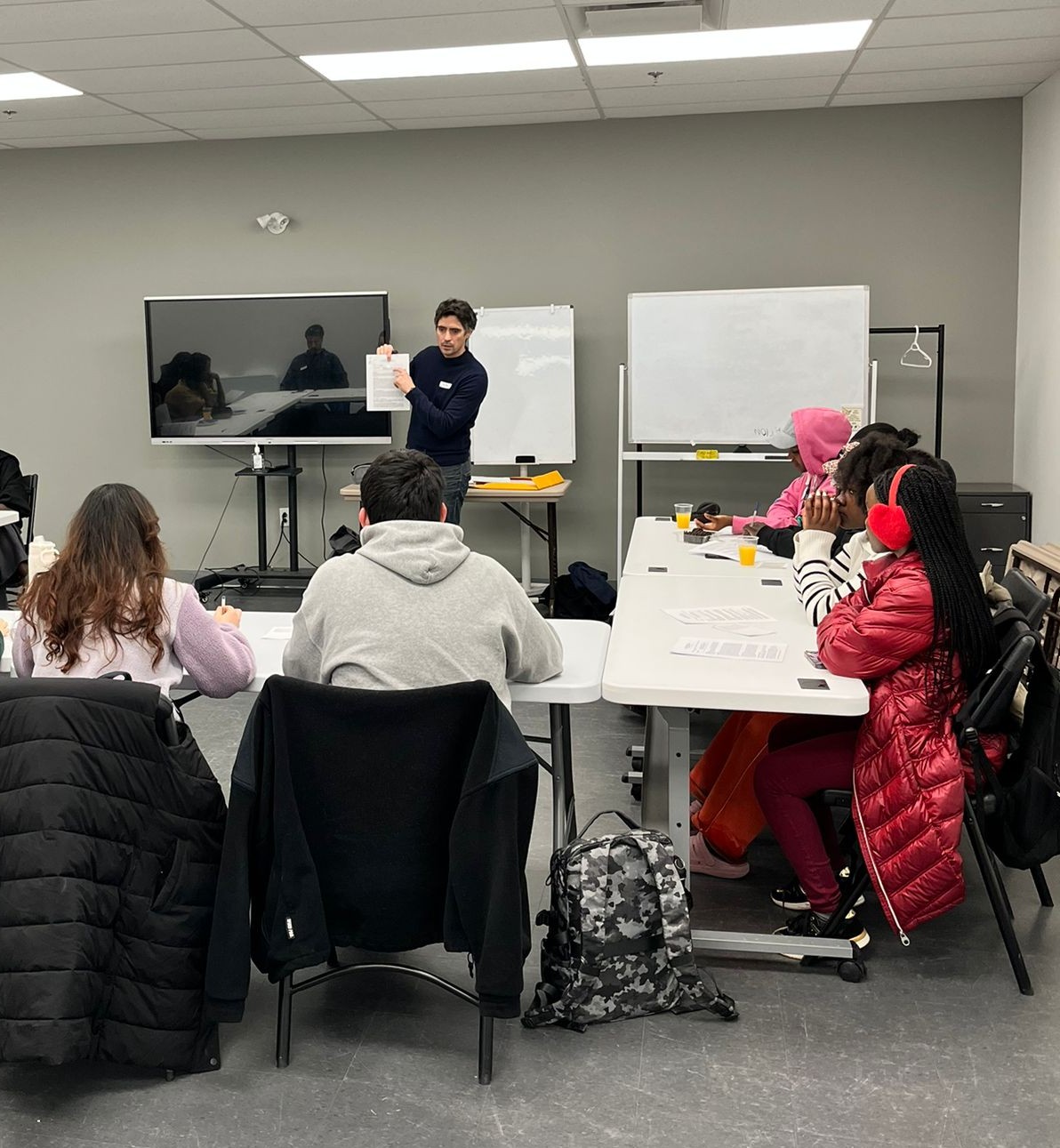
In February, as part of my doctoral fieldwork research within the GRABS project, I was in K’jipuktuk-Halifax*, Nova Scotia, Canada, where I worked in collaboration with the Halifax Refugee Clinic and YMCA Youth Outreach to facilitate several focus group discussions (FGDs) with young people.
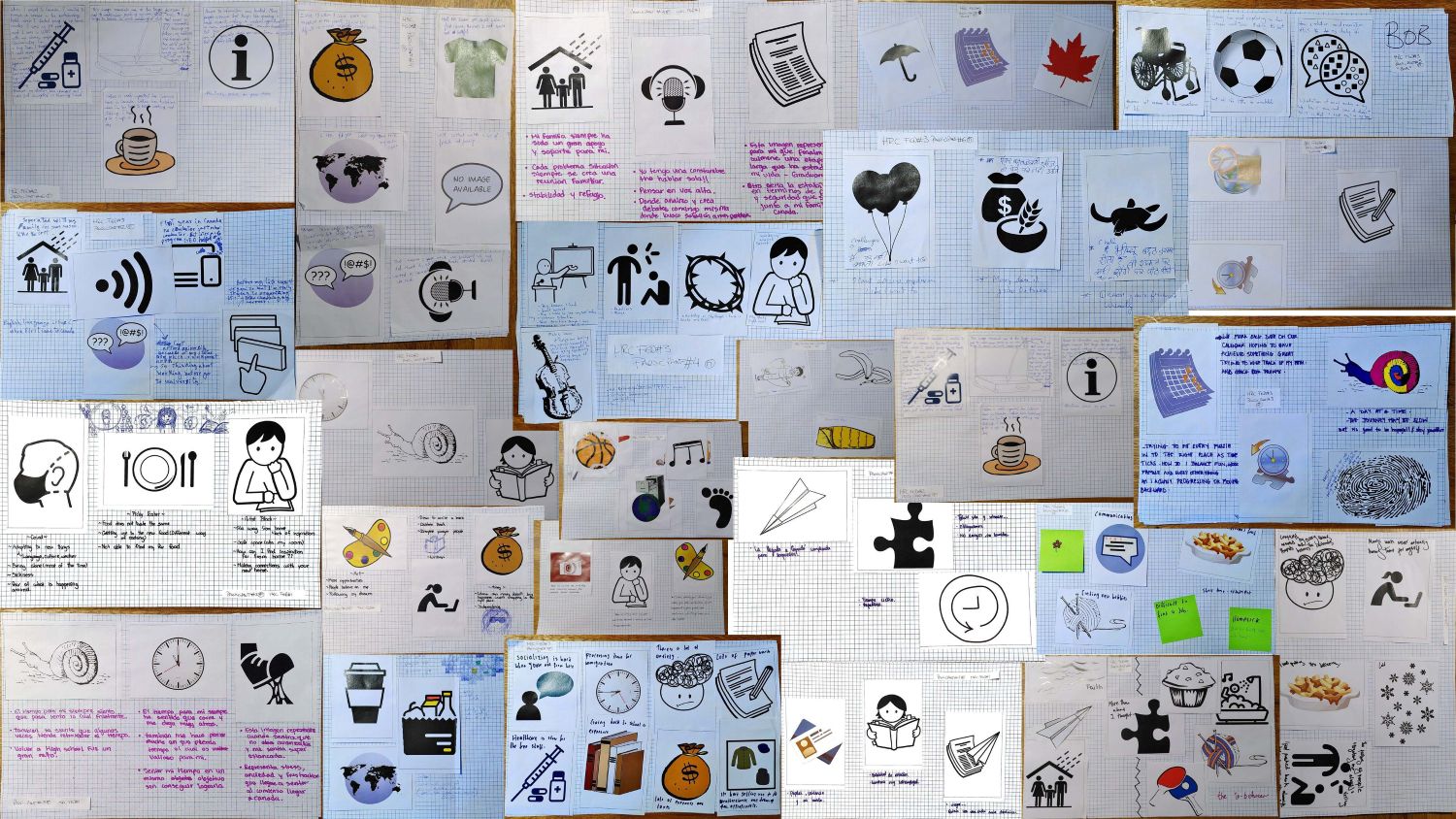
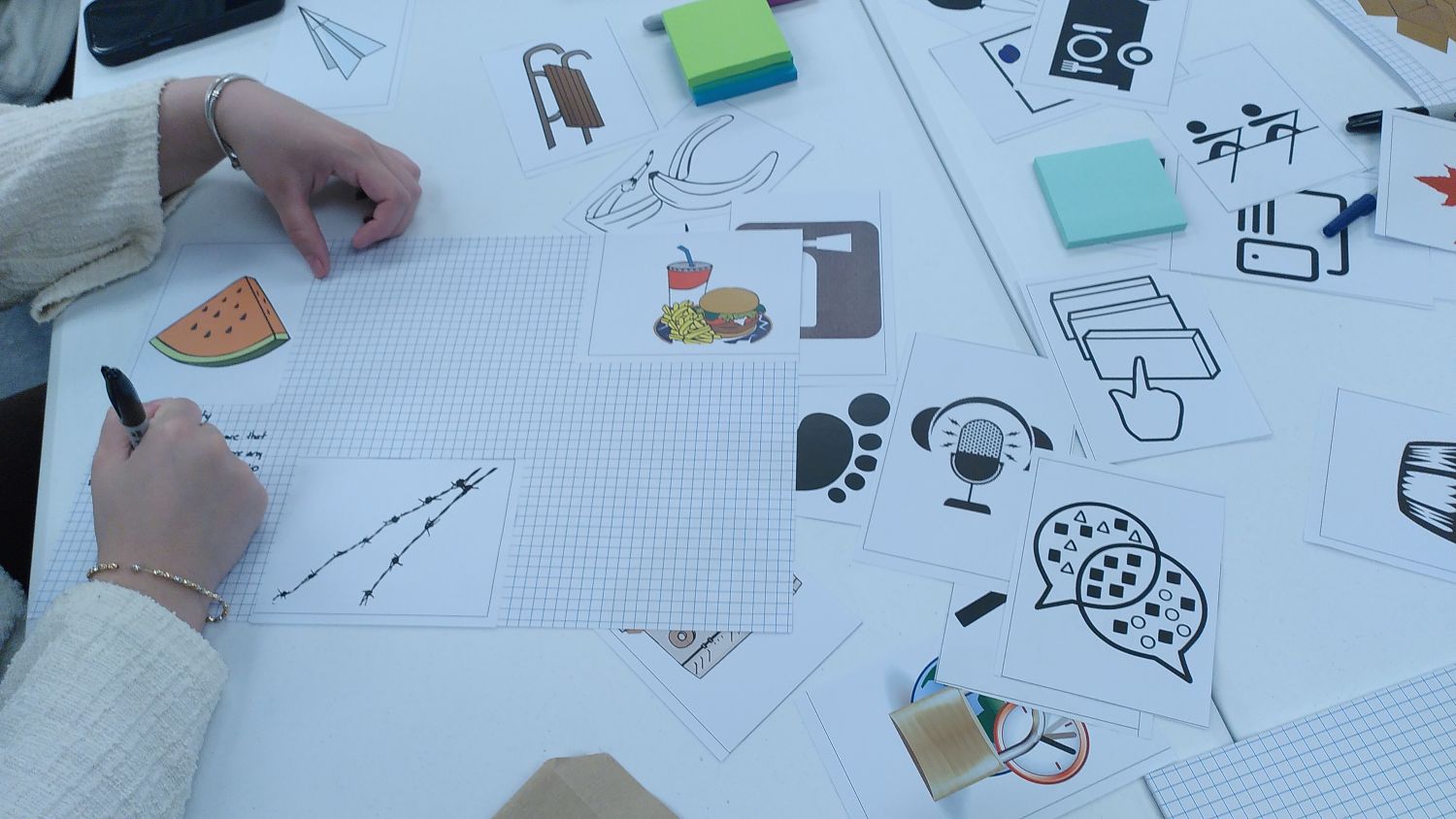
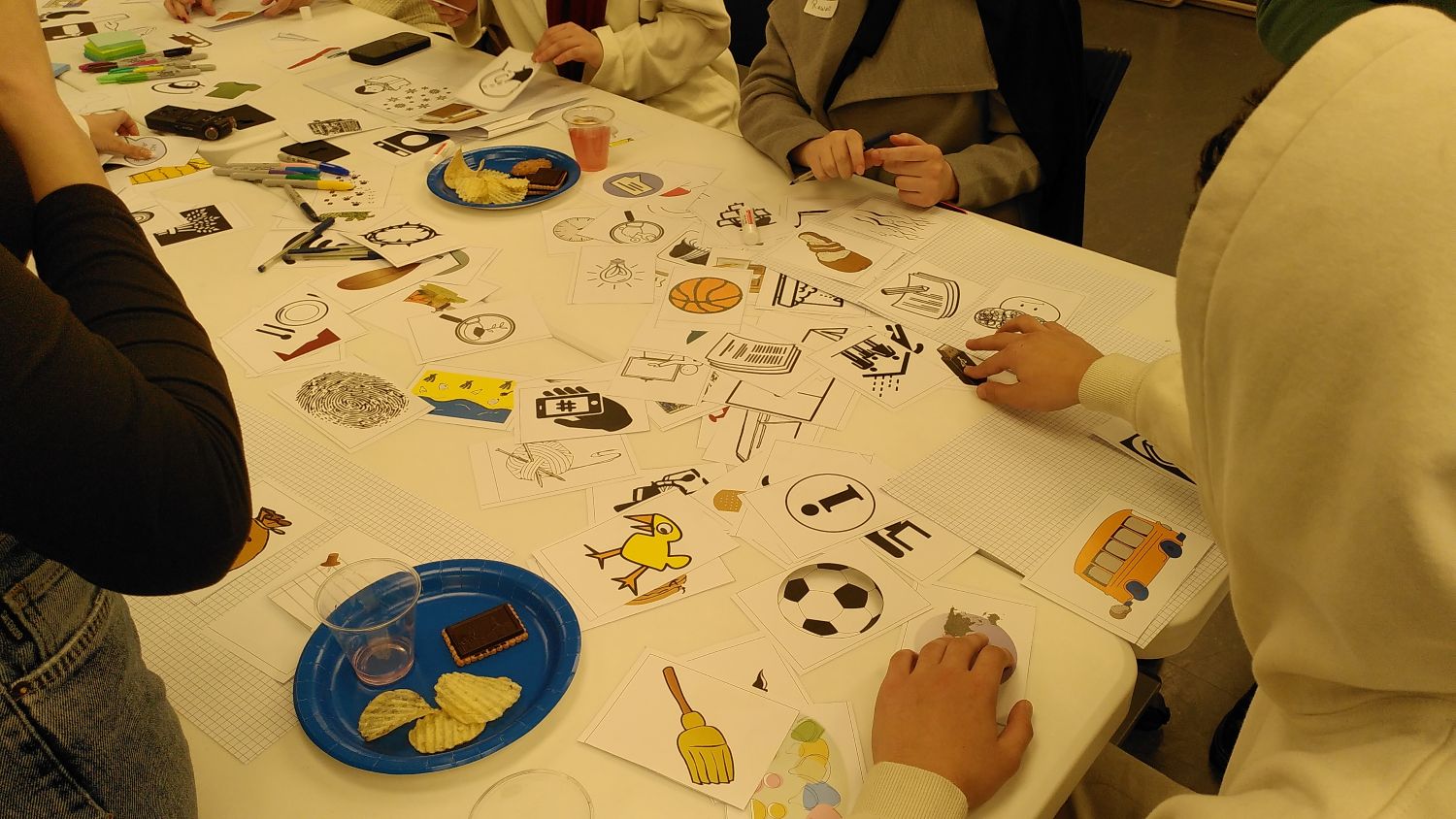
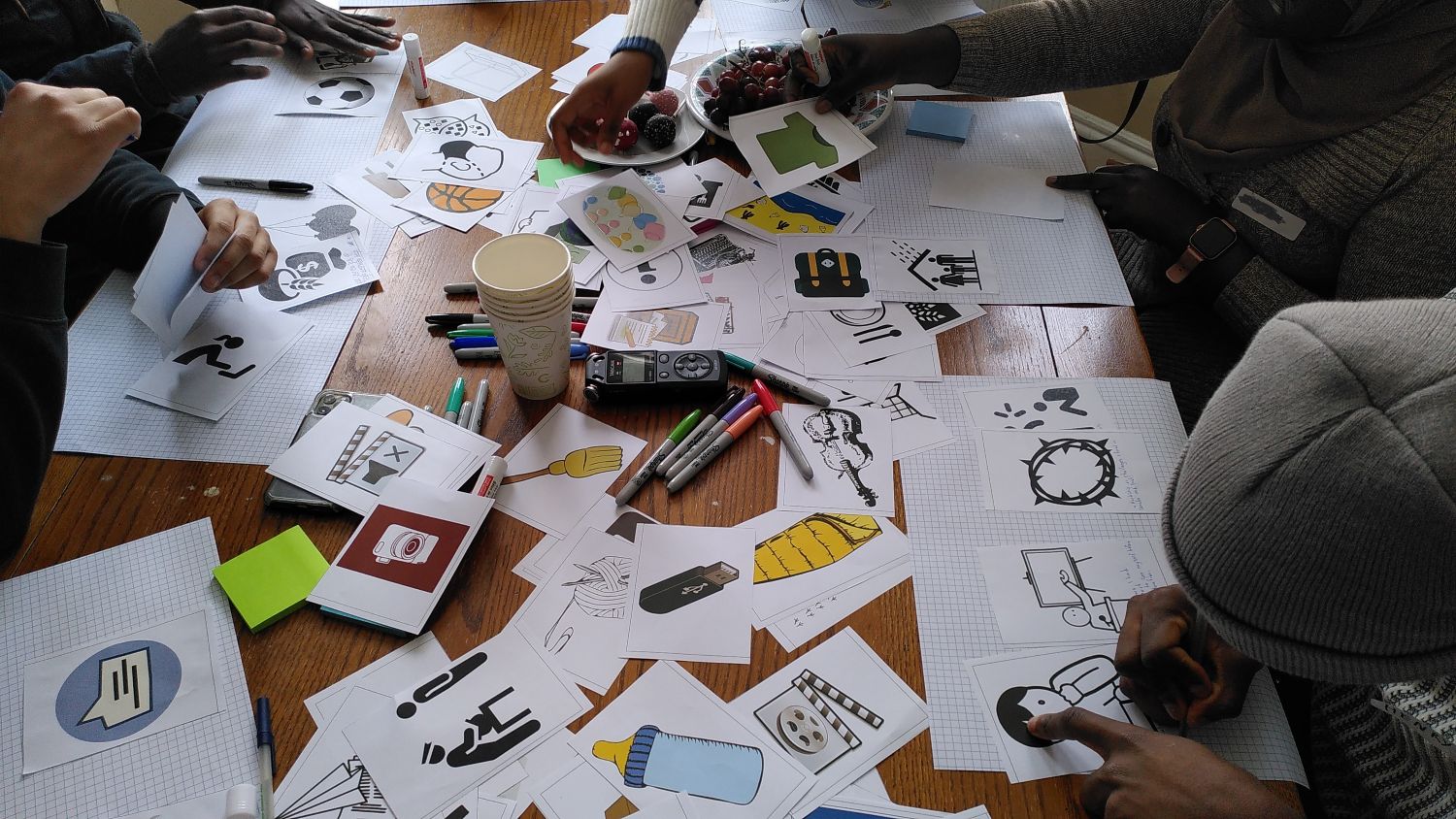
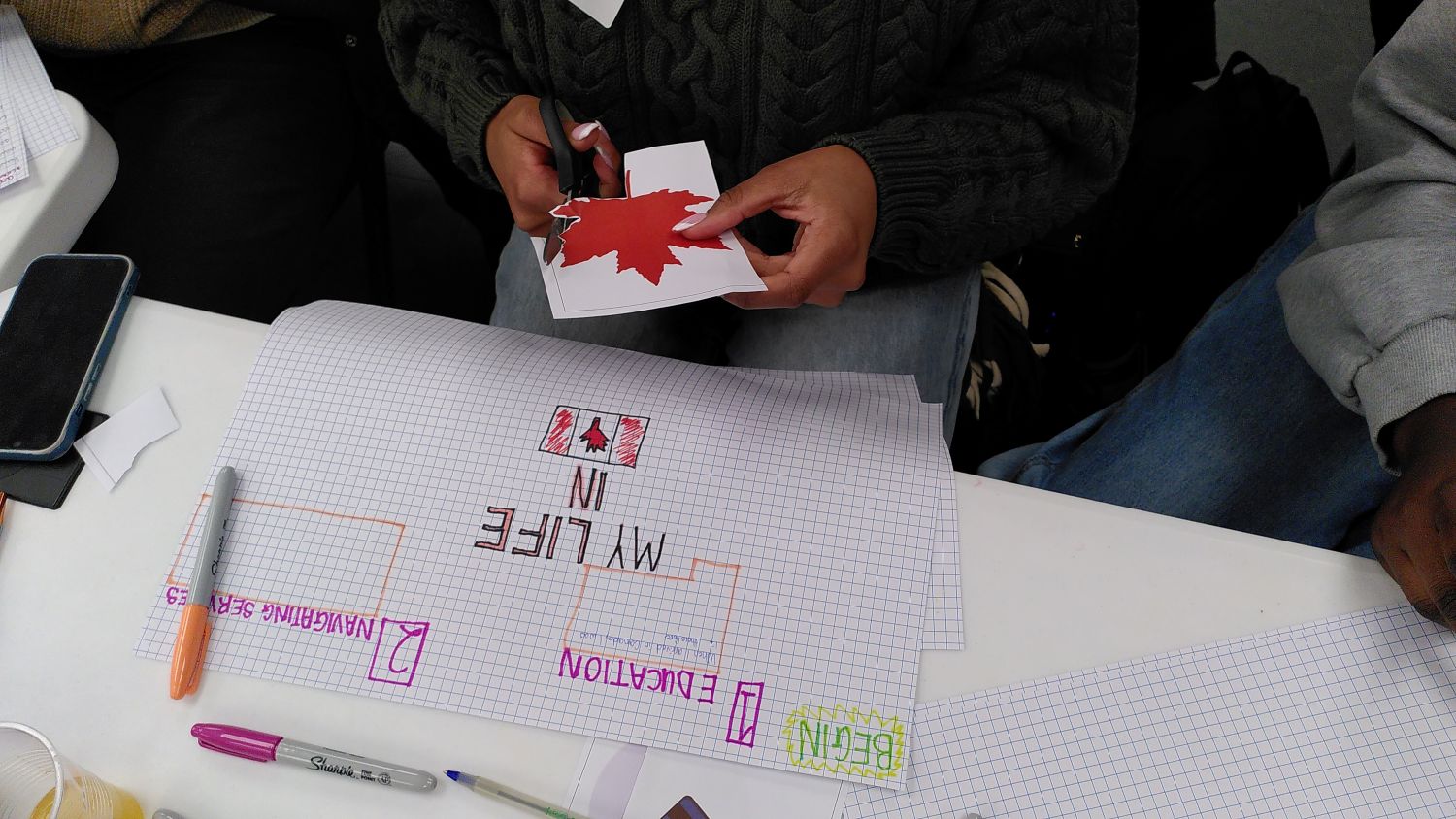
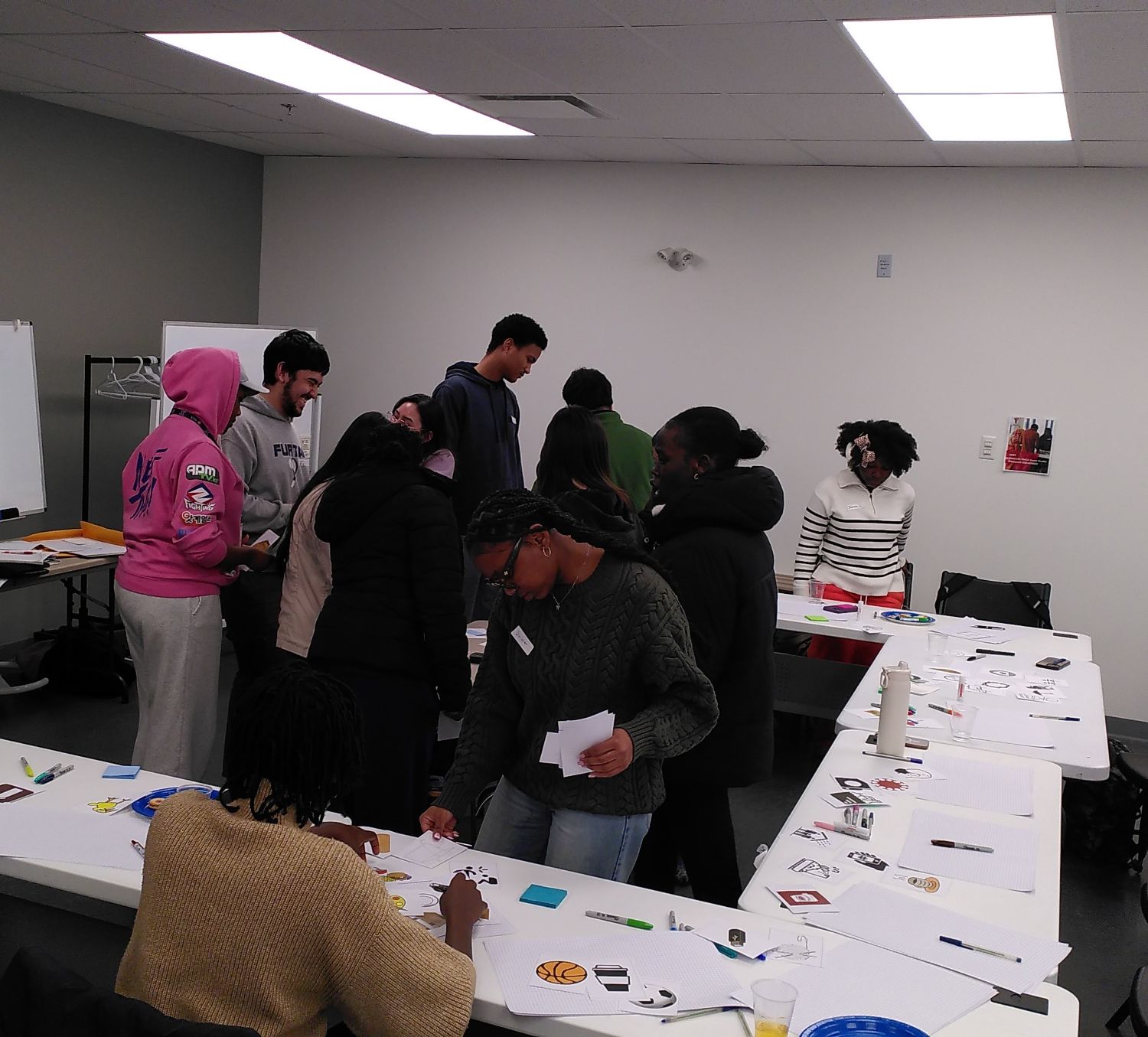
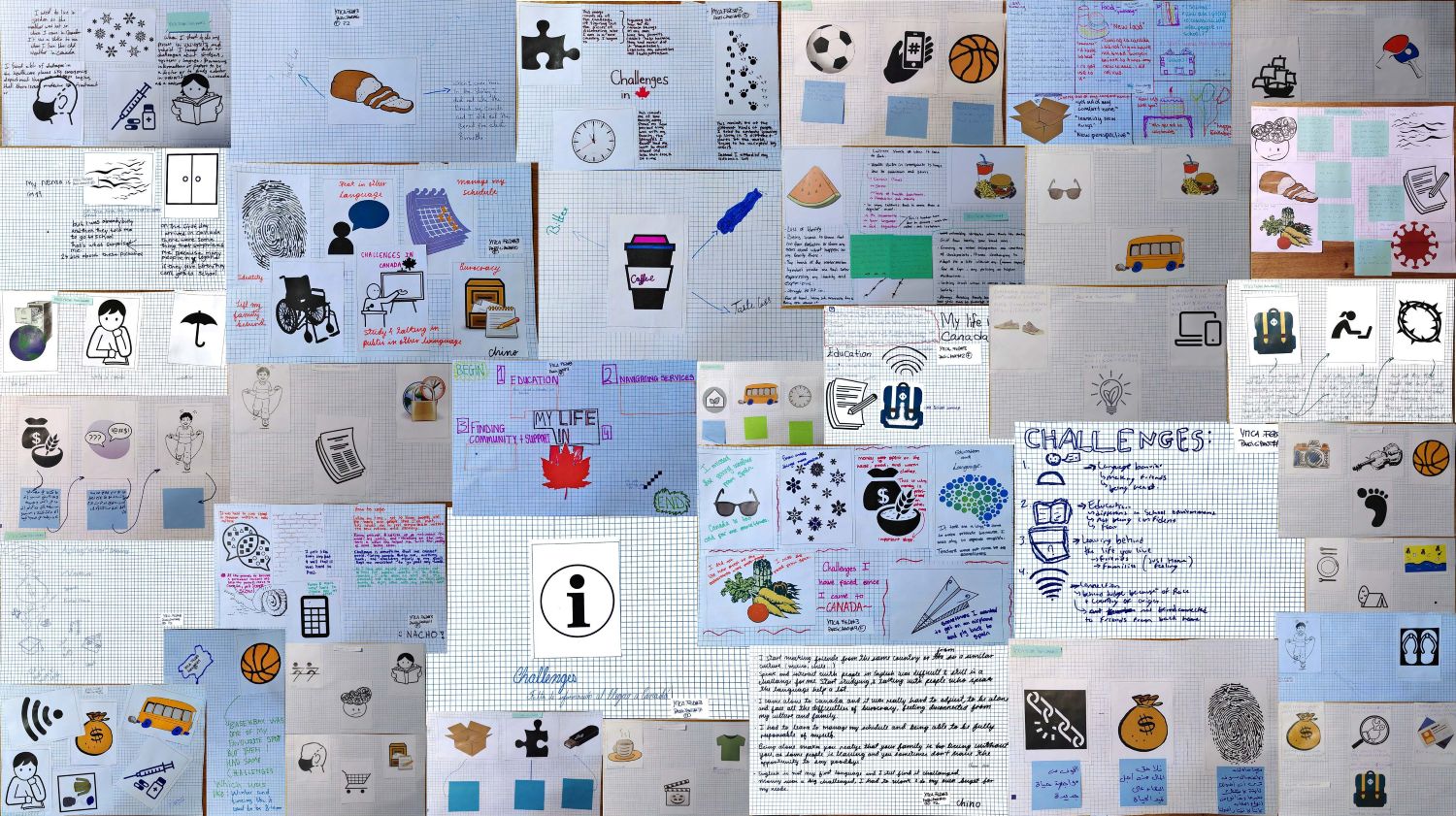
During the FGDs, which lasted about two hours each, participants were invited to share about their lived-experiences of forced migration and displacement, centring on their challenges, difficulties and priorities, as well as their coping strategies, opportunities and aspirations of living in K’jipuktuk-Halifax and in Canada in general. To do this, a simple visually based elicitation exercise with image cards was proposed; the printed image cards were spread out on a table, and young people were asked to think about their experiences and choose the image cards that spoke most to them and their stories. If an image was missing, or someone else had taken it, they could share it or draw it themselves. Participants were given a large A2-size sheet of paper, glue sticks, pens and colour markers to work with. Some drew and wrote on the images, others drew their own images, others only glued them on to the large sheet, while others wrote keywords and/or passages. By the end of the session, each participant had created small visually based compositions and shared their story.
Six FGDs were organised, three with the HRC and another three with the YMCA, with the participation of a total of 49 young people aged between 15-25 years old and at different states during their migration journey. FGDs were carried out in various languages: English, Spanish, Arabic, and Farsi.
During my stay, I was hosted by Professor Evangelia Tastsoglou, from the Department of Sociology at Saint Mary’s University, and I was welcomed and supported by two local organisations doing amazing and inspiring work with people in situations of forced migration and displacement: the Halifax Refugee Clinic and the YMCA Youth Outreach Team within the YMCA Centre for Immigrant Program of Greater Halifax and Dartmouth. At the HRC, I had the great opportunity to meet and collaborate with Julie Chamagne, executive director and legal services coordinator, and Gillian Smith, settlement services coordinator. I also met with some of the legal and settlement services staff. Julie was very generous with her time to organise and recruit participants.
At the YMCA, I was lucky to meet with Kathryn Bates-Khan, Manager of Child and Youth Settlement, and Gender-Based Violence Programs, who introduced me to Youth Outreach Coordinators Hayat Hussein and Saeed Alzoubi, who supported me with the organisation and recruitment of the focus groups. During the YMCA sessions, Saeed and youth leader Hakhmet supported with language interpretation for Arabic and Farsi speakers.
*My fieldwork research is being carried out in K’jipuktuk, today also known as Halifax, which is part of Mi’kma’ki the ancestral and unceded territory where the Mi’kmaq Peoples have lived for over 11000 years. Today, K’jipuktuk-Halifax is the capital of what is known as the province of Nova Scotia. Before being colonised, Mi’kma’ki comprised a great part of the Northeastern Woodlands, extending across all 4 provinces of today’s Atlantic Canada (Nova Scotia, New Brunswick, Prince Edward Island, and Newfoundland), the Gaspé Peninsula, and parts of the state of Maine, in today’s United States. Mi’kmaq Peoples include several Indigenous First Nations. K’jipuktuk means ‘Great Harbour’ in Mi’kmaw language.
My next visit to K’jipuktuk-Halifax will take place between April and July, where I will be running a series of creative workshops with participant youth from the FGDs. The workshops will include activities around comics and drawing for storytelling, photography, and podcast.
If you are interested in the research and want to hear more about the GRABS project, please visit our website https://erc-grabs.univ-paris8.fr or send us an email to grabs@univ-paris8.fr.
Until next time!
Juan Manuel