

Summer Fieldwork in Greece: Photography, Poetry, and New Partnerships
A Fieldwork Report by Isabel Morrell
This summer, Izzy completed her fourth research trip to Greece, spending time in both Athens and Corinth. The trip built on existing collaborations whilst also establishing new partnerships with organisations supporting young people across different local contexts.
Continuing Creative Activities in Athens
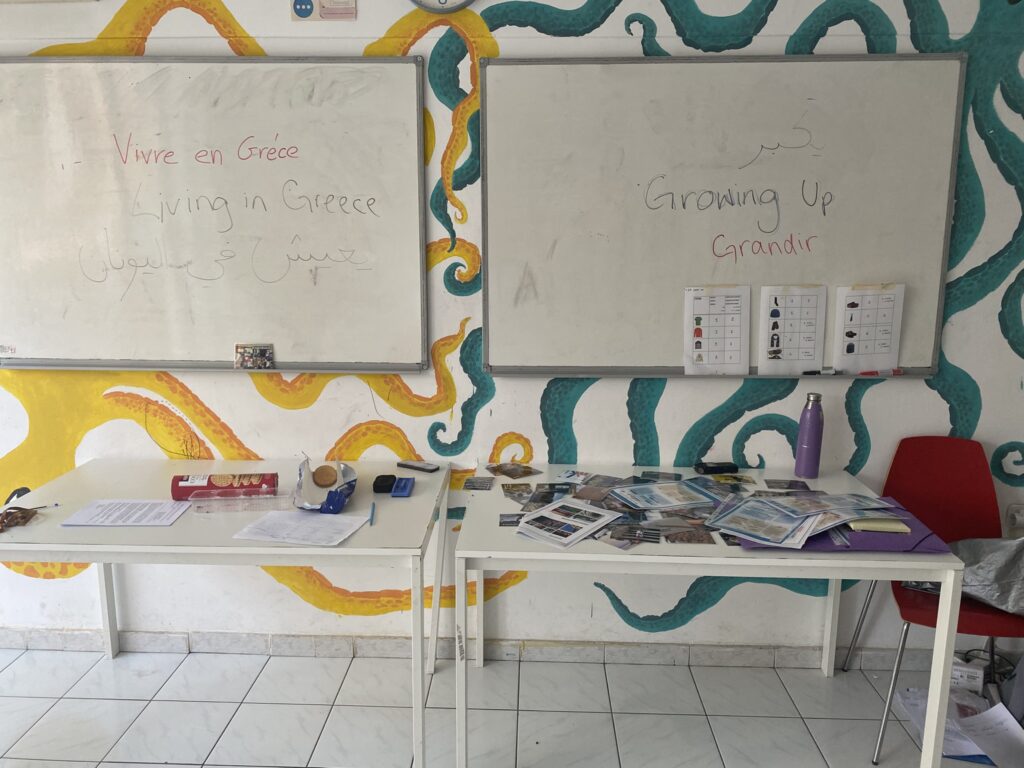
In Athens, I continued my work with Velos Youth, facilitating a series of photography and poetry workshops. The groups included both returning GRABS participants and young people joining the project for the first time.
The photography workshops explored young people’s experiences of growing up and living in Greece. Participants began by selecting visual cards that reflected their thoughts and feelings, before discussing symbolism, visual storytelling, and different ways of communicating ideas through images. Young people then took cameras away to explore these themes independently. In subsequent sessions, they shared their photographs with the group, discussing the stories, experiences, and meanings represented in their images.
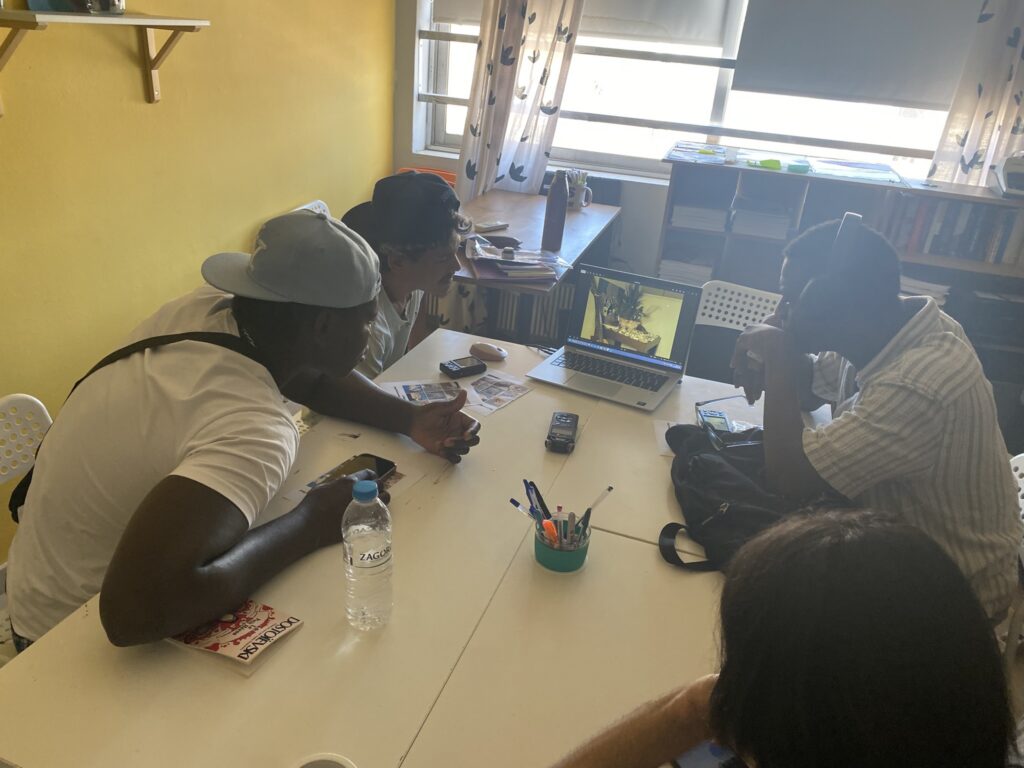
Alongside the photography workshops, I continued a programme of poetry activities that had initially been developed online. Since Spring, I have facilitated a series of virtual creative writing workshops using resources adapted from the Scottish Poetry Library, providing accessible and introductory opportunities for young people to engage with poetry and creative expression.
Many of the young people involved had already shared their own poetry with the GRABS project during previous fieldwork visits. The workshops therefore focused on creating space to further develop existing interests and skills, introducing different poetic forms while setting aside time to write, share, and reflect together. Through collective writing activities, poetry became a way of exploring memories, emotions, and experiences while strengthening relationships within the group.
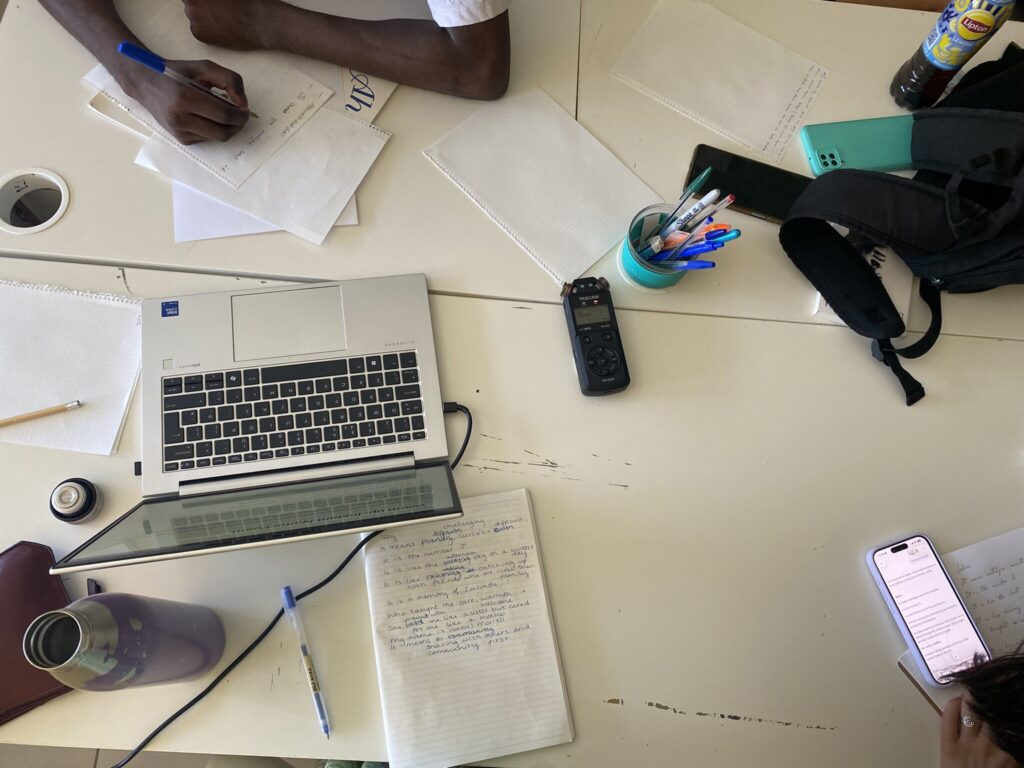
Because the virtual workshops created such a valuable creative space, it felt important to continue this work in person. Writing together around a table offered new opportunities for discussion, creativity, and shared reflection. The sessions reinforced the value of creative writing as a way to explore feelings and experiences that can be difficult to articulate through more conventional forms of conversation.
As is often the case in fieldwork with young people, workshop planning needed to remain flexible. Participants were balancing education, work, family commitments, and other responsibilities, which meant that not all of the planned activities could be completed. However, adapting the workshops around young people’s availability remained an important part of ensuring that participation was both accessible and meaningful.
Establishing New Partnerships in Corinth
This trip also marked the beginning of new partnerships with Lighthouse Relief and Meraki in Corinth, where I delivered photography workshops for two groups of young people.
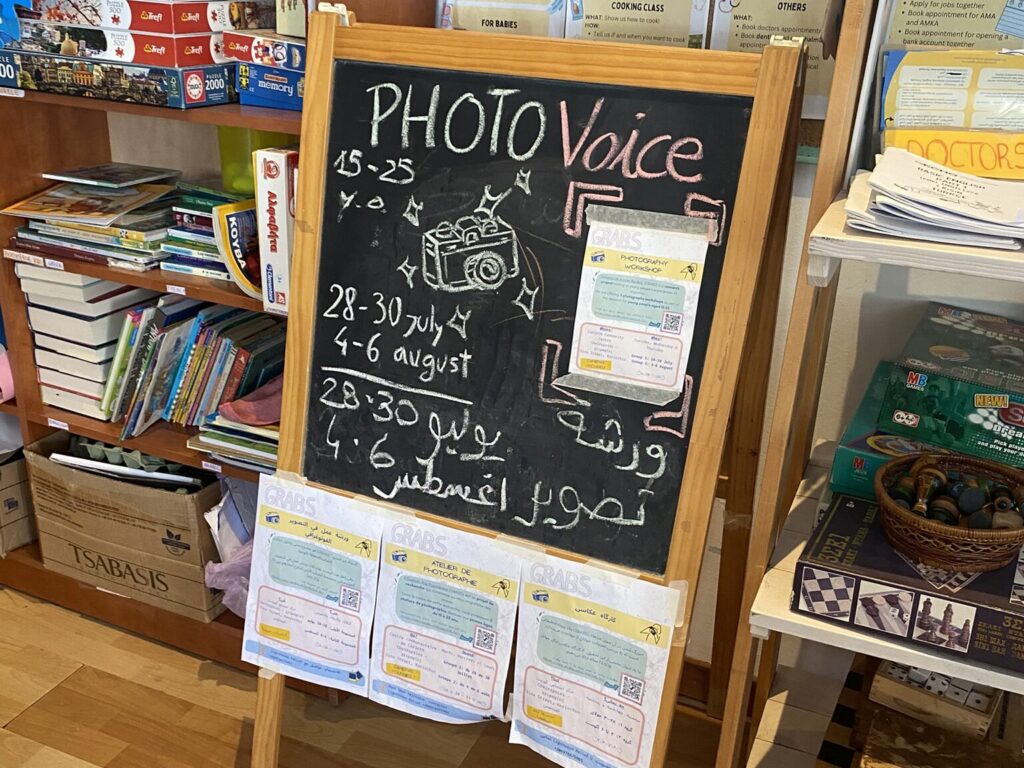
As with the Velos group, the workshops began by inviting participants to select images that reflected how they felt about growing up and living in Greece. These discussions provided a starting point for exploring visual storytelling and the ways photographs can communicate experiences, ideas, and emotions.
In later sessions, participants shared and discussed photographs they had taken independently before exploring the local area together with cameras. The final workshops centred on collective reflection with young people presenting their photos, discussing their significance and identifying shared themes across the photographs. The groups organised their images into categories they felt best represented their work and wrote captions to accompany them.
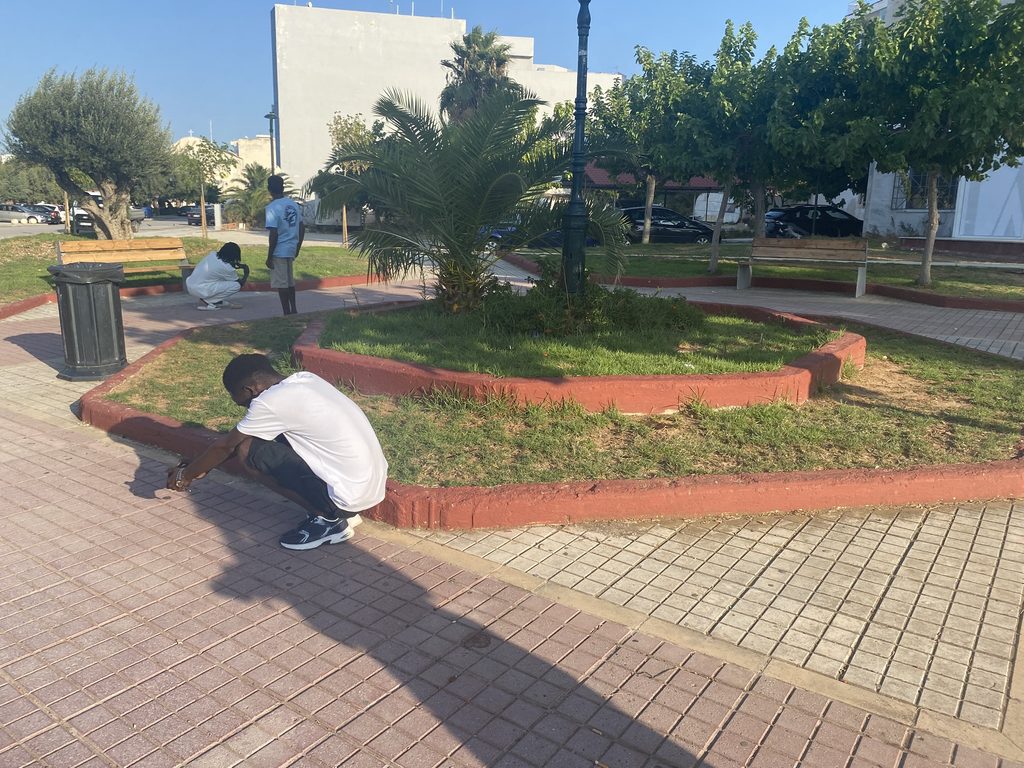
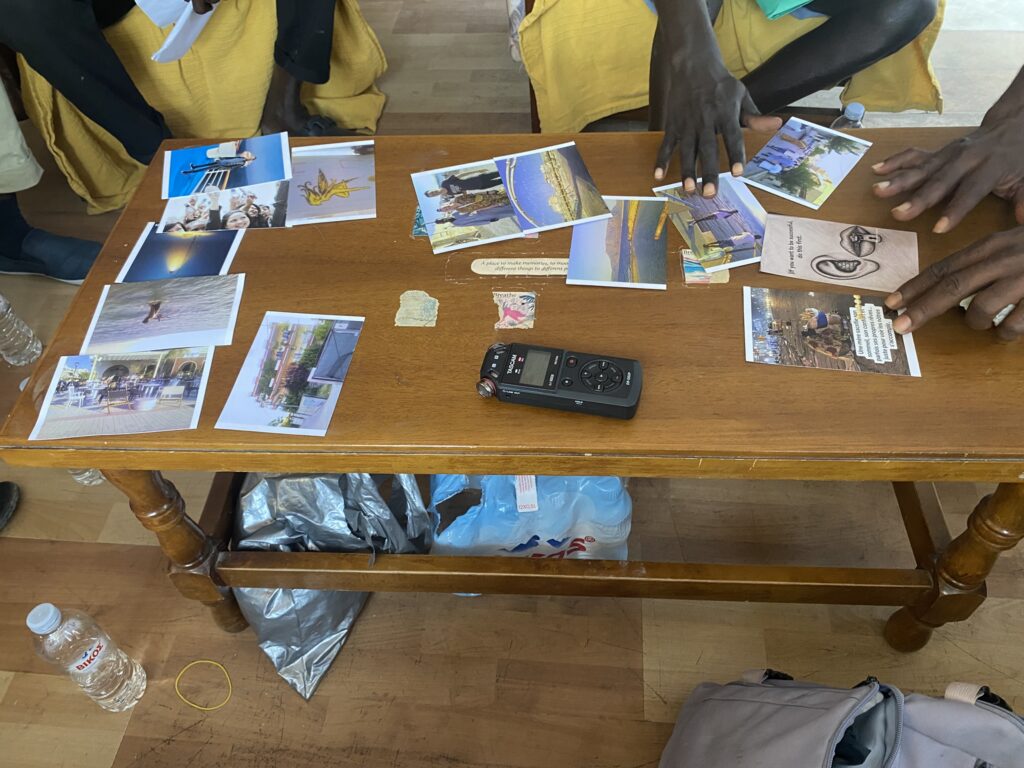
The photographs and captions produced during these workshops are currently being brought together in a collaborative photobook, which will soon be available through the GRABS website.
Fieldwork Reflections
Although the workshops in Athens and Corinth were built around similar creative methods, each setting developed its own distinct dynamic. At Velos Youth, workshops were often conducted in smaller, more intimate groups, with participants frequently supporting one another through informal translation and discussion. In Corinth, some sessions involved larger groups and a wider network of translators, volunteers, and support staff working together to facilitate participation.
Experiencing these different environments highlighted how creative, participatory methods can be adapted across diverse contexts while still creating opportunities for reflection, collaboration, and self-expression. Across both sites, the creative workshops provided valuable ways for young people to explore their experiences and creatively share their perspectives.